JPL
Careers
Education
Science & Technology
JPL Logo
JPL Logo
Jupiter

Solar System

Exploring Our Planetary Neighborhood

Missions

View All Solar System Missions

Juno

.Time in Orbit.

Loading…Hrs : Mins : Secs

NEOWISE

.past.

Psyche

.current.

Europa Clipper

.current.

Cassini-Huygens

.past.

Voyager 1

.current.

Solar System Exploration at JPL

Spacecraft managed by JPL for NASA have visited every planet in our solar system. This daunting accomplishment began when the JPL-built Mariner 2 spacecraft flew past Venus in 1962. Since then, many NASA space missions have explored the other planets and some of their many moons, as well as asteroids and comets.

These missions have brought us dramatic and diverse discoveries, including volcanoes, canyons, geysers, colossal storms, and evidence of liquid oceans on other worlds.

The venerable twin Voyager spacecraft have played a pivotal role in unlocking solar system secrets. Built at JPL and launched in 1977, between them they flew by and imaged Jupiter, Saturn, Uranus, and Neptune. Their discoveries added numerous chapters to astronomy books. Iconic Voyager images include a “family portrait” of planets, and a lookback view of Earth as a “pale blue dot.” The Voyagers are now in interstellar space—the space between the stars. And in case they ever encounter other beings, both spacecraft carry instructions for playing an onboard “Golden Record” of human greetings, sounds, music, and images.

Salty Surprises in the Solar System

It seems there’s a surprise around every corner in the solar system. The thrill and benefits of discovering these delights are unlimited — except by vast travel distances, technology, resources, and the hostile conditions of space. That’s why we maximize discoveries from each mission to strategize where to go next.

For example, the Galileo mission found evidence of an ocean under the surface of Jupiter’s icy moon Europa in the 1990s. Then in 2005, another JPL-managed mission, Cassini, spotted jets of water vapor spewing from Saturn’s icy moon Enceladus. Scientists determined that it, too, could also have a subsurface ocean. Because of these revelations, icy worlds became a prime candidate for further exploration as possible hosts for some form of life. A future mission in the works, Europa Clipper, will get a closeup look at that promising Jovian destination. And researchers are now also looking at the possibility that other locales, including asteroids and comets, could have ice and maybe even liquid water.
Feature

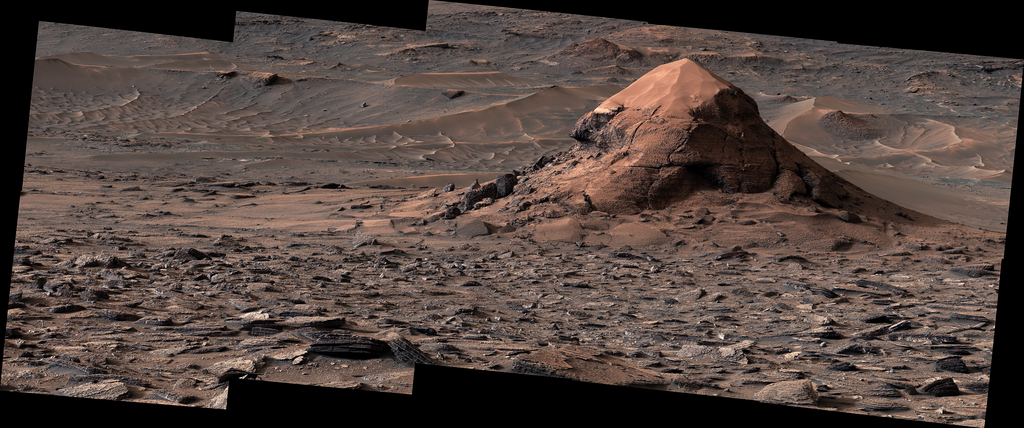
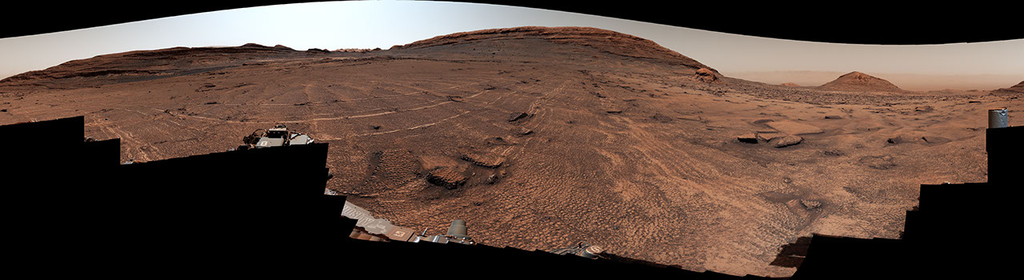
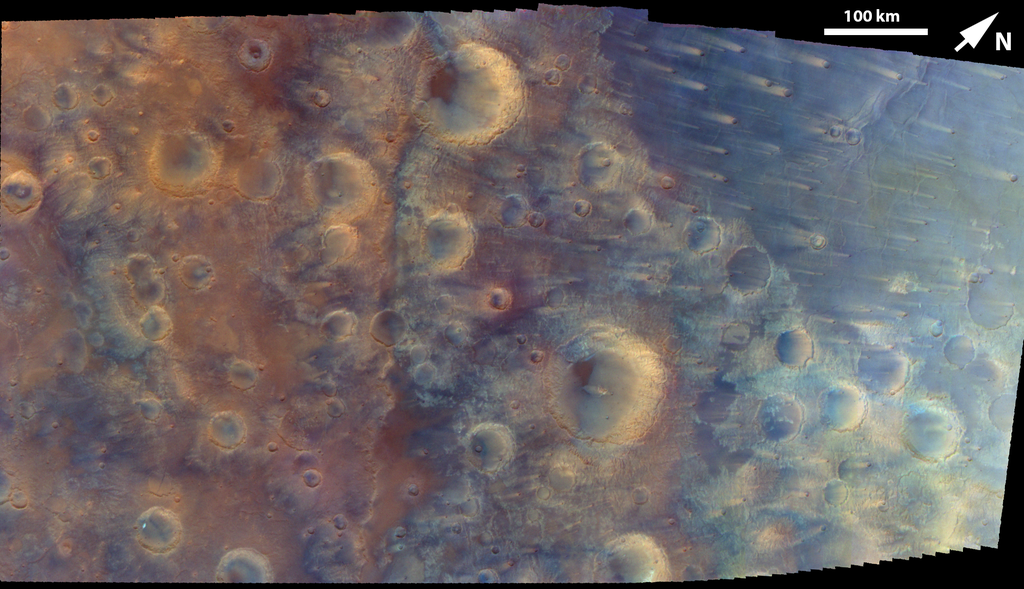
NASA’s Perseverance, Curiosity Panoramas Capture Two Sides of Mars

Read more

NASA resources

  • NASA's Solar System Exploration website

More About Solar System

EducationJan. 12, 2021.

Make a Moon Phases Calendar and Calculator

ImageApril 29, 2026.

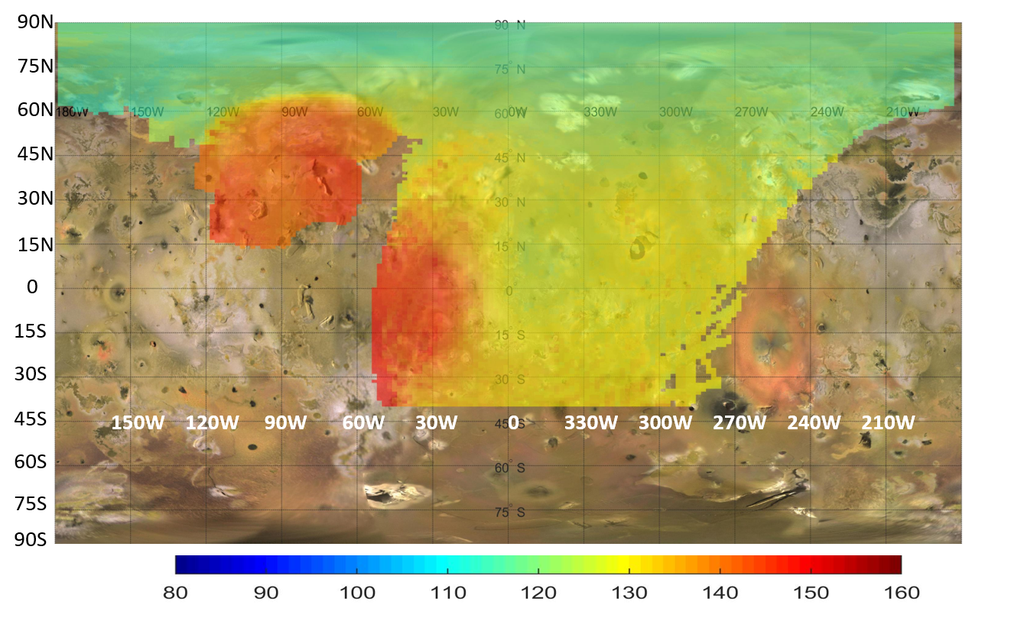
Odyssey Team Celebrates on a Global Map of Mars

NewsApril 27, 2026.

NASA’s Perseverance, Curiosity Panoramas Capture Two Sides of Mars

ImageApril 27, 2026.

Six Years of Curiosity’s Wheels on the Move

ImageApril 27, 2026.

Curiosity Captures a 360-Degree View at ‘Nevado Sajama’

NewsApril 21, 2026.

NASA’s Curiosity Finds Organic Molecules Never Seen Before on Mars

InfographicMarch 14, 2014.

Pi in the Sky: A Pi Day Infographic

NewsApril 17, 2026.

NASA Shuts Off Instrument on Voyager 1 to Keep Spacecraft Operating

More
About JPL
Who We Are
Directors
Careers
Internships
The JPL Story
JPL Achievements
Documentary Series
JPL Annual Report
Executive Council
Missions
Current
Past
Future
All
News
All
Earth
Solar System
Stars and Galaxies
Eyes on the News
Subscribe to JPL News
Galleries
Images
Videos
Audio
Podcasts
Apps
Visions of the Future
Slice of History
Robotics at JPL
Events
Lecture Series
Speakers Bureau
Calendar
Visit
Public Tours
Virtual Tour
Directions and Maps
Topics
JPL Life
Solar System
Mars
Earth
Climate Change
Exoplanets
Stars and Galaxies
Robotics
More
Asteroid Watch
NASA's Eyes Visualizations
Universe - Internal Newsletter
Social Media
Accessibility at NASA
Contact Us
Get the Latest from JPL
Follow Us

JPL is a federally funded research and development center managed for NASA by Caltech.

More from JPL
Careers
Education
Science & Technology
Acquisition
JPL Store
Careers
Education
Science & Technology
Acquisition
JPL Store
Related NASA Sites
Basics of Spaceflight
NASA Kids Science - Earth
Earth / Global Climate Change
Exoplanet Exploration
Mars Exploration
Solar System Exploration
Space Place
NASA's Eyes Visualization Project
Voyager Interstellar Mission
NASA
Caltech
Privacy
Image Policy
FAQ
Feedback
Version: v3.1.0 - 409b2d2
Site Managers:Emilee Richardson, Alicia Cermak
Site Editors:Naomi Hartono, Steve Carney
CL#:21-0018