
Slice of History - Powering Spacecraft and Renewable Energy
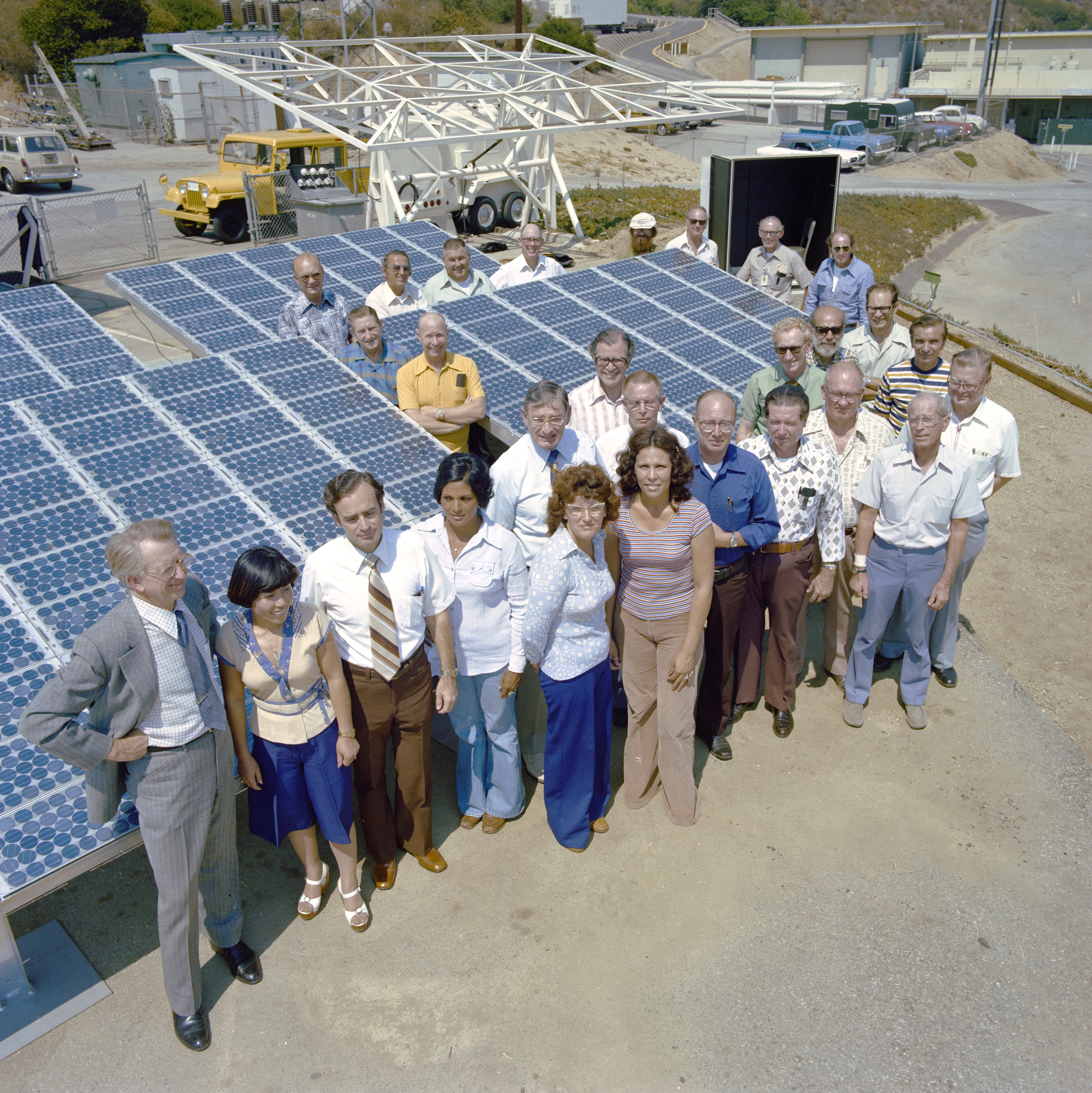
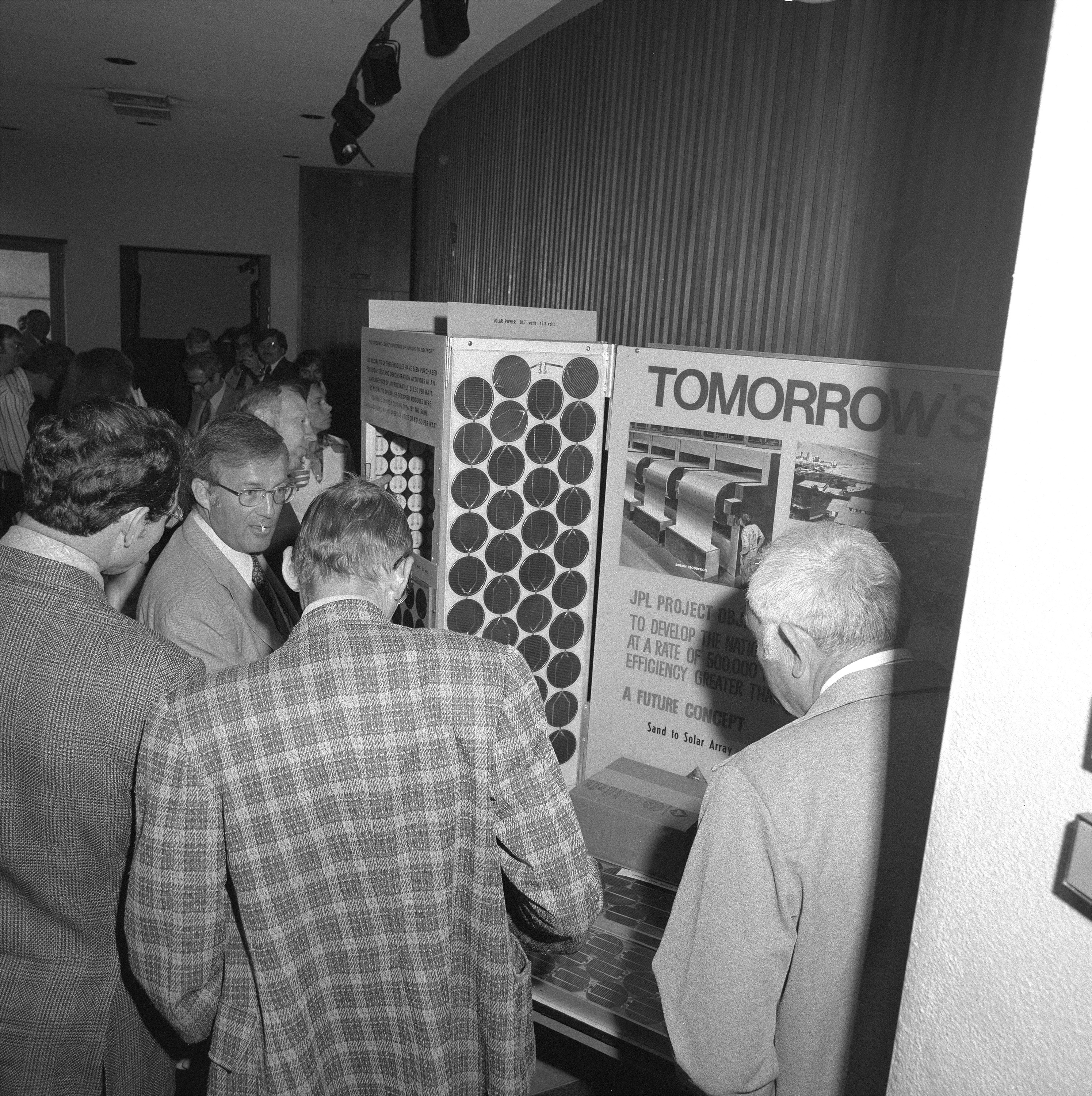
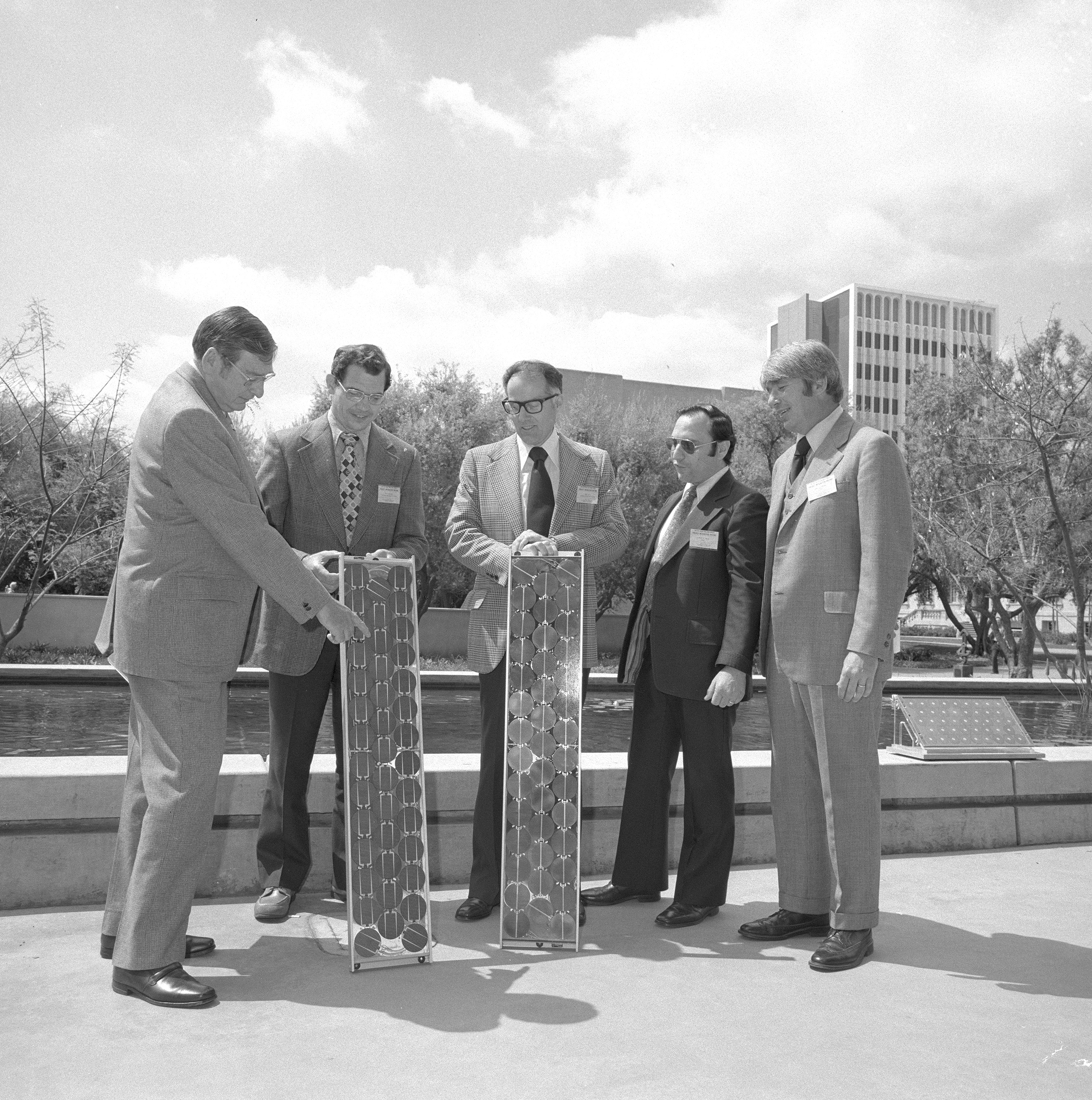
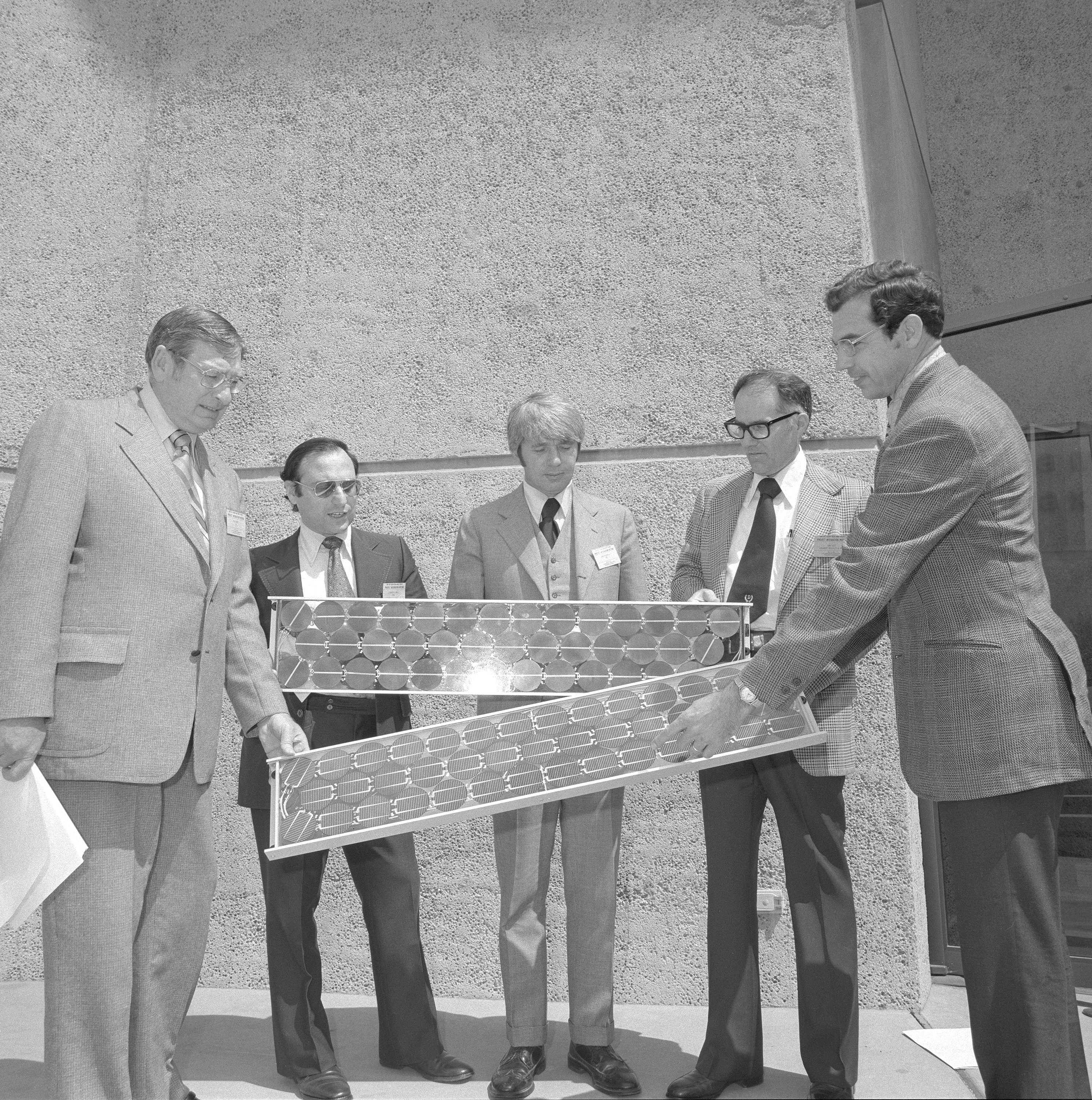
The same fundamental photovoltaic technology used to power spacecraft also helped lay the foundation for today’s terrestrial solar industry.
Beginning in 1975, JPL managed a major component of the federal government’s national photovoltaic program: the Low-Cost Silicon Solar Array Project, later renamed the Flat-Plate Solar Array Project. Initially sponsored by the U.S. Energy Research and Development Administration and later the Department of Energy, the project brought together researchers from industry, universities, and government laboratories to dramatically reduce the cost of photovoltaic technology while improving its performance and durability.
The program pioneered research into the long-term reliability of solar modules and helped establish the basis for testing methods and engineering standards that would shape the growing solar industry. JPL researchers and their partners studied how photovoltaic modules would withstand years of exposure to heat, humidity, ultraviolet radiation, thermal cycling, dust, hail, and other environmental stresses — work that helped improve the durability and reliability of solar technology for widespread use.
The effort demonstrated how expertise developed at a laboratory known for exploring space could also help address pressing challenges on Earth. Just as reliable solar power enabled increasingly ambitious spacecraft, JPL’s engineering and project-management capabilities helped advance photovoltaic technology toward practical use in homes, businesses, and utility-scale power generation. CL#26-2316
The content presented here should be viewed in the context of the time period. Our intent is to present the history of JPL in a factual manner that uses primary resources and historical context. We recognize that some information or images do not reflect the current values, policies, and mission of JPL.